CRM integration tools play a crucial role in enhancing business efficiency and productivity. By seamlessly connecting various systems and processes, these tools revolutionize the way businesses operate in today’s dynamic market. Let’s delve into the world of CRM integration tools and uncover the key insights that can drive your business forward.
Overview of CRM Integration Tools
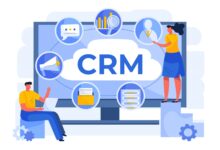
CRM integration tools play a crucial role in modern business operations by allowing seamless connectivity between different systems and applications. These tools help organizations consolidate customer data, automate processes, and improve overall efficiency.


Popular CRM Integration Tools
- HubSpot CRM
- Salesforce CRM
- Zoho CRM
Benefits of Using CRM Integration Tools
- Enhanced data accuracy and consistency
- Improved customer satisfaction and retention
- Increased productivity and efficiency
Key Features to Look for in CRM Integration Tools
- Customization options for seamless integration
- Scalability to accommodate business growth
- Real-time data synchronization
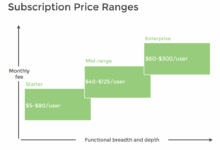
Pricing Models of CRM Integration Tools
- Subscription-based pricing
- Per-user pricing
- Enterprise pricing with customized solutions
Step-by-Step Guide to Integrate a CRM Tool
- Choose the CRM integration tool that aligns with your business needs.
- Access the integration settings in your CRM tool.
- Connect the CRM tool with the desired business systems using API keys or integration plugins.
- Test the integration to ensure seamless data flow.
Successful Implementation of CRM Integration Tools
Case Study: Company XYZ increased sales by 30% after integrating their CRM tool with their marketing automation platform, leading to improved lead generation and conversion rates.
Types of CRM Integration Tools
When it comes to CRM integration tools, there are various types available to businesses depending on their needs and preferences. Let’s explore the different types of CRM integration tools in more detail below.
On-Premise vs. Cloud-Based CRM Integration Tools
On-premise CRM integration tools require the software to be installed and managed on the company’s own servers, providing full control and customization options. In contrast, cloud-based CRM integration tools are hosted on the vendor’s servers and accessed through the internet, offering convenience, scalability, and automatic updates.
API-Based Integration Tools vs. Middleware Solutions
API-based integration tools use application programming interfaces (APIs) to connect different systems and allow data to flow seamlessly between them. On the other hand, middleware solutions act as a bridge between various applications by translating data formats and protocols to enable communication between them.
Custom-Built Integration Tools for Specific Business Needs
Custom-built integration tools are tailored to meet the unique requirements of a business, allowing for a more personalized and efficient integration process. These tools are designed from scratch to address specific challenges and goals, ensuring a seamless connection between CRM systems and other applications.
Key Features to Look for in CRM Integration Tools
When selecting CRM integration tools, it is crucial to consider the key features that will ensure seamless data flow and efficient operations. Here are some essential features to look out for:
Data Synchronization
One of the most critical features in CRM integration tools is robust data synchronization capabilities. This ensures that data across different systems is updated in real-time, eliminating the risk of inconsistencies and errors.
Automation
Automation plays a vital role in streamlining processes and reducing manual tasks. Look for CRM integration tools that offer automation features for data migration, updates, and notifications to improve efficiency and productivity.
Scalability
Scalability is another key feature to consider when choosing CRM integration tools. Opt for tools that can grow with your business and accommodate increasing data volumes and complex integration needs without compromising performance.
Data Mapping and Transformation
Effective data mapping and transformation capabilities are crucial for successful CRM integration. These features enable you to map fields between different systems, transform data formats, and ensure data consistency throughout the integration process.
Real-time Data Access
Real-time data access is essential for making informed business decisions and providing timely customer service. Choose CRM integration tools that offer real-time data synchronization and access to ensure up-to-date information at all times.
Security Measures
Security is paramount when handling sensitive customer data during CRM integration. Look for tools that provide robust security measures such as encryption, user authentication, and data access controls to protect your data from unauthorized access and breaches.
Integration Challenges and Solutions
When it comes to integrating CRM tools, there are several challenges that organizations may face. These challenges can range from data migration issues to compatibility problems between different platforms. However, with the right strategies and solutions in place, these challenges can be overcome effectively.
Data Migration Issues
One of the common challenges during CRM integration is ensuring smooth data migration from existing systems to the new CRM platform. To overcome this issue, organizations should:
- Conduct a thorough data audit to identify key data that needs to be migrated.
- Ensure data cleanliness by removing duplicate or outdated information.
- Utilize data mapping tools to map data fields between systems accurately.
- Test data migration processes in a controlled environment before full implementation.
Compatibility Between CRM Platforms and Integration Tools
Another challenge is ensuring compatibility between the CRM platform and the integration tools being used. To address this issue, organizations should:
- Research and select integration tools that are compatible with the specific CRM platform.
- Engage with vendors to confirm compatibility and discuss any potential issues.
- Regularly update integration tools to ensure compatibility with CRM platform updates.
- Implement a robust testing process to identify and resolve any compatibility issues early on.
Best Practices for Implementing CRM Integration Tools
Implementing CRM integration tools can be a complex process that requires careful planning and execution. To ensure a successful integration project, follow these best practices:
Step-by-Step Guide for Planning and Executing CRM Integration Projects
- Define clear objectives and goals for the integration project.
- Assess the current systems and data to understand integration requirements.
- Create a detailed project plan with timelines, milestones, and responsibilities.
- Test the integration process in a controlled environment before full deployment.
- Regularly communicate progress updates with stakeholders to ensure alignment.
Tips for Ensuring Data Accuracy and Integrity During Integration Processes
- Perform data cleansing and normalization to eliminate duplicates and inconsistencies.
- Establish data mapping and transformation rules to maintain consistency across systems.
- Implement data validation processes to catch errors early and prevent data corruption.
- Regularly audit and monitor data quality to identify and address issues proactively.
The Importance of User Training and Ongoing Support for Successful CRM Integration
- Provide comprehensive training to users on the new integrated system and processes.
- Offer ongoing support and resources to help users navigate any challenges or questions.
- Create user-friendly documentation and guides for reference and troubleshooting.
- Solicit feedback from users to continuously improve the integration experience.
Strategies for Troubleshooting Common Issues During CRM Integration
- Establish a dedicated support team to address user concerns and technical issues.
- Document common problems and solutions for quick reference and resolution.
- Utilize testing environments to replicate and debug integration issues before they impact production.
- Engage with vendors and experts for specialized support and guidance when needed.
The Role of Project Management in Overseeing CRM Integration Projects Effectively
- Assign a skilled project manager to lead and coordinate all aspects of the integration project.
- Utilize project management tools and software to track progress, tasks, and dependencies.
- Conduct regular meetings and status updates to ensure alignment and address any roadblocks.
- Implement agile methodologies to adapt to changes and optimize project outcomes.
Case Studies of Successful CRM Integration Implementations
Implementing CRM integration tools can lead to significant benefits for companies. Let’s dive into some real-world examples of successful CRM integration implementations, highlighting the challenges faced, solutions implemented, and the measurable outcomes achieved.
Company A: Streamlining Customer Data
Company A, a leading retail chain, implemented CRM integration tools to streamline customer data across multiple touchpoints. By integrating their CRM system with their e-commerce platform and social media channels, they were able to create a unified view of each customer. This enabled personalized marketing campaigns and improved customer service.
- Challenges Faced:
Integrating data from diverse sources
Ensuring data accuracy and consistency
- Solutions Implemented:
Utilizing data mapping and cleansing tools
Implementing automated data synchronization processes
- Measurable Outcomes:
30% increase in customer engagement
20% reduction in customer service response time
10% increase in sales conversion rate
Company B: Improving Sales Team Efficiency
Company B, a software firm, integrated their CRM system with their marketing automation platform to improve sales team efficiency. By automating lead scoring and nurturing processes, they were able to prioritize leads and provide sales reps with valuable insights into customer behavior.
- Challenges Faced:
Aligning sales and marketing processes
Training sales team on new tools
- Solutions Implemented:
Implementing lead scoring algorithms
Providing comprehensive training and support
- Measurable Outcomes:
40% increase in lead conversion rate
50% reduction in sales cycle length
Improved sales forecast accuracy by 20%
Future Trends in CRM Integration Tools
As technology continues to advance, the future of CRM integration tools is likely to be shaped by various emerging trends. Let’s explore some of the key developments that are expected to impact the evolution of CRM integration.
AI and Machine Learning in CRM Integration
Artificial Intelligence (AI) and machine learning are set to revolutionize CRM integration by enabling businesses to automate processes, analyze data more efficiently, and provide personalized customer experiences. These technologies can help in predicting customer behavior, optimizing marketing strategies, and improving overall customer satisfaction.
Impact of IoT and Big Data on CRM Integration
The Internet of Things (IoT) and big data are playing a significant role in enhancing CRM integration tools. With the vast amount of data generated by IoT devices and the ability to analyze this data using big data analytics, businesses can gain valuable insights into customer behavior, preferences, and trends. This data can then be integrated into CRM systems to provide a more comprehensive view of customers and drive better decision-making.
Automation and Predictive Analytics in CRM Integration
Automation and predictive analytics are expected to play a crucial role in the future of CRM integration. By automating routine tasks, businesses can streamline processes, improve efficiency, and reduce manual errors. Predictive analytics, on the other hand, can help businesses anticipate customer needs, identify trends, and make data-driven decisions. By leveraging these technologies in CRM integration tools, businesses can stay ahead of the competition and deliver exceptional customer experiences.
Integration with Third-Party Applications
Integrating CRM tools with third-party applications plays a crucial role in enhancing overall business efficiency and performance. By connecting CRM systems with various platforms, companies can automate processes, improve data analysis, and optimize workflows.
Marketing Automation Platforms
- Integrating CRM tools with marketing automation platforms like Marketo or HubSpot allows businesses to streamline lead generation and nurturing processes.
- Automating emails, personalized campaigns, and lead scoring based on CRM data ensures more effective communication with prospects and customers.
- This integration helps in aligning sales and marketing efforts, leading to better conversion rates and ROI.
Accounting Software Integration
- Connecting CRM systems with accounting software such as QuickBooks or Xero enables companies to perform financial data analysis.
- By analyzing sales data alongside financial information, businesses can improve budgeting accuracy and forecasting capabilities.
- Access to real-time financial insights through CRM integration with accounting software helps in making informed decisions and managing resources effectively.
Popular Third-Party Applications
- MailChimp: Integrating MailChimp with CRM tools allows for seamless email marketing automation, targeted campaigns, and lead segmentation.
- Zapier: Zapier integration enables workflow automation by connecting various apps and automating repetitive tasks based on CRM data triggers.
- Tableau: Integrating CRM systems with Tableau provides advanced data visualization and analytics capabilities for in-depth insights and reporting.
Customization and Flexibility in CRM Integration
Customization and flexibility in CRM integration play a crucial role in meeting unique business requirements and adapting to changing needs. Tailored integrations can enhance user experience, improve productivity, and address niche industry demands. Let’s delve deeper into the advantages of customizable integration solutions:
Advantages of Customizable Integration Solutions
- Customized CRM integrations allow businesses to align the integration process with their specific goals and objectives.
- Flexibility in integration tools enables companies to modify workflows and processes to suit evolving business needs.
- Personalized integrations can enhance user adoption rates and overall satisfaction by providing a tailored experience.
- Customization options such as unique data mapping, tailored reporting, and specialized workflows can address niche industry requirements.
Creating a Personalized CRM Integration Plan
- Identify the key objectives and pain points that need to be addressed through CRM integration.
- Collaborate with stakeholders to understand specific requirements and desired outcomes.
- Work with integration experts to design a customized plan that aligns with the company’s goals and processes.
- Implement the tailored integration solution in phases to ensure smooth adoption and minimal disruption.
Benefits of Custom-Built Integrations vs. Off-the-Shelf Solutions
- Custom-built integrations offer a higher level of flexibility and can be fine-tuned to meet unique business needs.
- Off-the-shelf solutions are quicker to implement but may not fully address the specific requirements of a company.
- Scalability is a key advantage of custom-built integrations, allowing businesses to adapt to growth and changing market conditions.
API Connectivity and Seamless Customization
- API connectivity enables seamless integration with other software systems, allowing for real-time data exchange and enhanced functionality.
- Customization through API connections empowers businesses to create tailored workflows and automate processes efficiently.
Case Studies of Successful Customized CRM Integrations
- A manufacturing company implemented a customized CRM integration that streamlined order processing and improved customer communication, leading to a 20% increase in sales.
- A healthcare provider tailored their CRM integration to automate patient appointment scheduling, resulting in a 30% reduction in administrative tasks and improved patient satisfaction.
Security Considerations in CRM Integration
When integrating CRM tools, it is crucial to address security concerns to protect sensitive data and ensure the integrity of information. Implementing best practices and robust security measures is essential to prevent unauthorized access and data breaches.
Identifying Potential Security Risks
- Weak authentication mechanisms
- Data leakage during transfer
- Vulnerabilities in third-party applications
- Insufficient encryption protocols
Best Practices for Securing Data
- Implement strong encryption protocols
- Regularly update security patches
- Restrict access based on roles and permissions
- Conduct security audits and monitoring
Role of Encryption and Access Controls
-
Encryption
plays a vital role in safeguarding data during transit and at rest.
- Access controls ensure that only authorized users can view or modify sensitive information.
Mitigating Common Vulnerabilities
- Regularly update software to patch security vulnerabilities
- Implement multi-factor authentication for added protection
- Train employees on security best practices to prevent data breaches
Establishing Secure Authentication Mechanisms
- Utilize strong passwords and implement password policies
- Consider implementing single sign-on (SSO) for centralized authentication
- Implementing multi-factor authentication for an extra layer of security
Scalability and Growth with CRM Integration Tools
When it comes to business scalability and growth, CRM integration tools play a crucial role in streamlining processes, improving efficiency, and enhancing customer relationships. These tools are designed to adapt to the changing needs of a growing business, making it easier to manage and analyze data across various departments.
Supporting Business Scalability
- CRM integration tools offer centralized data management, allowing businesses to easily scale their operations without the need for manual data entry or multiple platforms.
- Automation features in CRM integration tools help businesses handle a higher volume of customer interactions and data without increasing the workload on employees.
- Scalable pricing models offered by CRM integration tool providers allow businesses to upgrade or downgrade their plans based on their growth trajectory, ensuring cost-effectiveness.
Challenges and Solutions
- One common challenge businesses face when scaling CRM integrations is data migration and integration with existing systems. To overcome this, thorough planning and testing are essential to ensure a smooth transition.
- Another challenge is maintaining data accuracy and consistency as the business grows. Implementing data quality controls and regular audits can help address this issue.
- Integration complexity can increase as businesses scale, leading to potential system downtime. Investing in robust CRM integration tools with reliable support can mitigate this risk.
Examples of Successful Scaling
- Company X expanded its operations to new markets by leveraging CRM integration tools to streamline customer data management and sales processes, resulting in a significant increase in revenue.
- Company Y integrated its CRM system with third-party applications using scalable integration tools, allowing them to accommodate a growing customer base and enhance customer satisfaction.
- Company Z adopted a cloud-based CRM integration solution that easily scaled with their business growth, enabling real-time data access and collaboration among remote teams.
Vendor Selection for CRM Integration Tools
When it comes to selecting the right CRM integration tool vendor, there are several key criteria that businesses should consider to ensure a successful implementation. From pricing models to security measures, each aspect plays a crucial role in the decision-making process.
Criteria for Evaluating and Selecting the Right CRM Integration Tool Vendor
- Compatibility with Existing Systems: Ensure that the CRM integration tool is compatible with your current systems and can seamlessly connect with your CRM software.
- Scalability and Flexibility: Look for a vendor that offers scalable solutions to accommodate your business growth and allows for customization to meet your specific needs.
- Vendor Reputation and Reliability: Research the vendor’s reputation in the industry, their track record of successful implementations, and the level of support they provide to their clients.
Comparison of Pricing Models and Licensing Options
- Subscription-Based Pricing: Some vendors offer a subscription-based pricing model, where you pay a monthly or annual fee for access to the software.
- Perpetual Licensing: Other vendors may offer perpetual licensing options, where you make a one-time payment for the software and own it indefinitely.
- Pay-Per-Use: Some vendors provide a pay-per-use model, where you only pay for the features or services you utilize.
Detailed Comparison Chart of CRM Integration Tool Vendors
| Vendor | Features | Scalability | Customization Options | Security Measures |
|---|---|---|---|---|
| Vendor A | Advanced Reporting, API Integration | Highly Scalable | Extensive Customization | End-to-End Encryption |
| Vendor B | Real-Time Data Sync, Workflow Automation | Moderate Scalability | Limited Customization | Regular Security Audits |
| Vendor C | Data Mapping, Drag-and-Drop Interface | Limited Scalability | Basic Customization | Two-Factor Authentication |
Step-by-Step Guide to Requesting Demos or Trials
- Identify your specific integration needs and requirements.
- Shortlist potential vendors based on your criteria and preferences.
- Contact each vendor to request a demo or trial of their CRM integration tool.
- Prepare a list of questions to ask during the demo to evaluate the features and functionality.
- Analyze the demo or trial results to make an informed decision on the best vendor for your business.
Data Management Strategies in CRM Integration
Data management plays a crucial role in CRM integration to ensure the accuracy, consistency, and quality of data used across different systems. Let’s explore the key strategies for managing data effectively in CRM integration.
Role of Data Governance Policies
Data governance policies are essential in CRM integration to establish guidelines and rules for managing data quality, security, and compliance. These policies help in ensuring that data is accurate, up-to-date, and consistent across all integrated systems.
Data Cleansing Techniques and Best Practices
- Regularly clean and deduplicate data to eliminate duplicates and inconsistencies.
- Validate and standardize data formats to maintain uniformity and accuracy.
- Automate data cleansing processes to save time and resources.
- Implement data validation rules to prevent erroneous data entry.
Managing Data Privacy and Compliance
- Encrypt sensitive data to protect it from unauthorized access.
- Adhere to data privacy regulations such as GDPR and HIPAA when handling customer data.
- Obtain explicit consent from customers before storing their personal information.
- Regularly audit data access and usage to ensure compliance with regulations.
Performance Monitoring and Optimization in CRM Integration
Effective performance monitoring and optimization are crucial aspects of ensuring the success of CRM integration projects. By implementing the right strategies and tools, businesses can enhance the efficiency and effectiveness of their CRM systems, ultimately leading to improved customer experiences and increased productivity.
Key Performance Indicators for CRM Integration
- Number of successful data transfers between CRM and other systems
- Reduction in manual data entry tasks
- Increase in data accuracy and consistency
- Response time for customer inquiries and issue resolution
- Overall system uptime and availability
Monitoring and Optimization Strategies
- Regularly monitor system performance metrics and KPIs
- Utilize automated monitoring tools to track data integration processes
- Implement data quality checks and validations to ensure accuracy
- Optimize system configurations for better performance
Continuous Improvement and Feedback Mechanisms
By collecting feedback from end-users and stakeholders, businesses can identify areas for improvement in CRM integration processes. Continuous monitoring and feedback loops enable organizations to make informed decisions and implement necessary enhancements to optimize system performance.
Comparative Analysis of CRM Integration Monitoring Tools
| Monitoring Tool | Benefits | Drawbacks |
|---|---|---|
| Tool A | Real-time monitoring | High cost |
| Tool B | User-friendly interface | Limited customization options |
Setting Up Alerts and Notifications
- Define thresholds for performance metrics
- Configure alerts for deviations from expected values
- Establish notification channels for immediate response
Checklist for Regular Reviews and Audits
- Review data integration processes and performance metrics
- Identify bottlenecks and inefficiencies
- Implement corrective actions and optimizations
Case Study: Impact of Effective Performance Monitoring
In a recent CRM integration project, a company implemented robust performance monitoring tools and strategies. By closely monitoring system performance and addressing issues promptly, they were able to optimize data flows, improve response times, and enhance overall customer satisfaction.
User Adoption and Training for CRM Integration
User adoption and training are crucial aspects of successfully implementing CRM integration tools within an organization. It is essential to have strategies in place to promote user engagement, provide adequate training, and manage change effectively.
Promoting User Adoption
- Clearly communicate the benefits of CRM integration to users, emphasizing how it will improve their day-to-day tasks and overall efficiency.
- Involve key stakeholders in the decision-making process to gain their support and advocacy for the integration initiative.
- Create a user-friendly interface that simplifies the integration process and encourages users to explore and utilize the tools.
Importance of User Training and Change Management
- Offer comprehensive training sessions that cater to different user groups based on their roles and proficiency levels.
- Implement change management strategies to address resistance to new technologies and workflows that come with CRM integration.
- Provide ongoing support and resources to help users navigate any challenges they may face during the integration process.
Effective Communication Strategies
- Utilize multiple communication channels such as emails, newsletters, intranet updates, and team meetings to keep users informed and engaged.
- Create personalized training plans that cater to individual learning styles and preferences to maximize user retention and proficiency.
- Encourage open feedback sessions to gather insights from users on their experience with CRM integration tools and make necessary adjustments.
Role of Leadership and Incentivization
- Leadership should set a positive example by actively participating in CRM integration initiatives and promoting a culture that values the use of these tools.
- Implement a reward system to recognize and incentivize users who demonstrate proficiency and active engagement with CRM integration tools.
- Provide continuous training and support to ensure that users feel empowered and motivated to leverage CRM integration tools effectively.
Comparison of Training Methods
- Online modules offer flexibility and convenience for users to access training materials at their own pace.
- In-person workshops provide hands-on experience and personalized guidance for users who prefer interactive learning environments.
- One-on-one coaching sessions allow for tailored training based on individual needs and learning objectives for improved user adoption.
Epilogue
In conclusion, CRM integration tools offer a powerful solution to optimize business operations and drive growth. By embracing these tools, companies can unlock new opportunities, streamline processes, and enhance customer relationships. Stay ahead of the curve by integrating CRM tools effectively into your business strategy.