Best CRM software sets the stage for this enthralling narrative, offering readers a glimpse into a story that is rich in detail and brimming with originality from the outset. CRM software is essential for businesses looking to enhance customer relationships and streamline operations.
Introduction to CRM Software
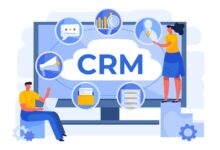
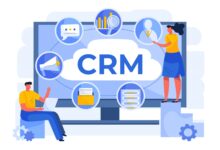
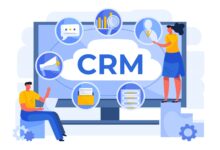
Customer Relationship Management (CRM) software is a tool that helps businesses manage interactions with current and potential customers. It stores customer information, tracks customer interactions, and automates various processes to improve customer service and increase sales.

Benefits of Using CRM Software for Businesses
- Improved Customer Relationships: CRM software allows businesses to personalize interactions with customers, leading to better customer satisfaction and loyalty.
- Centralized Data Management: By storing all customer information in one place, CRM software enables easy access to data for all employees, leading to more informed decision-making.
- Increased Efficiency: Automation of tasks such as email marketing, lead management, and reporting saves time and reduces manual errors, resulting in improved productivity.
- Enhanced Sales Performance: CRM software provides insights into customer behavior and preferences, helping sales teams prioritize leads and close deals more effectively.
Importance of CRM Software in Managing Customer Relationships
CRM software plays a crucial role in managing customer relationships by providing a comprehensive view of each customer’s interactions with the business. It helps businesses understand customer needs, anticipate their preferences, and deliver personalized experiences, ultimately leading to increased customer retention and loyalty.
Types of CRM Software
In the realm of Customer Relationship Management (CRM) software, there are various types designed to cater to different business needs and processes. Let’s explore the main categories of CRM software available in the market.
Operational CRM Software
Operational CRM software focuses on streamlining and automating customer-facing processes such as sales, marketing, and customer service. It aims to enhance efficiency and productivity in these areas by providing tools for managing customer interactions, sales pipelines, and marketing campaigns. Popular examples of operational CRM software include Salesforce, HubSpot, and Zoho CRM.
Analytical CRM Software
Analytical CRM software is geared towards analyzing customer data to gain insights into customer behavior, preferences, and trends. This type of CRM software helps businesses make informed decisions by providing reports, dashboards, and data visualization tools. Examples of analytical CRM software include Microsoft Dynamics 365, SAP CRM, and Oracle CRM.
Collaborative CRM Software
Collaborative CRM software focuses on facilitating communication and collaboration between different departments within an organization to ensure a seamless customer experience. It enables teams to share customer information, coordinate activities, and resolve issues effectively. Popular collaborative CRM software options include Nimble, Pipedrive, and Freshworks CRM.
Cloud-based vs. On-premise CRM Software
Cloud-based CRM software is hosted on remote servers and accessed through the internet, offering flexibility, scalability, and cost-effectiveness. On the other hand, on-premise CRM software is installed and managed locally on the company’s own servers, providing greater control and security but requiring higher upfront costs and maintenance. Businesses must weigh the pros and cons of each option based on their specific requirements and resources.
Features to Look for in CRM Software
When choosing a CRM software for your business, it is essential to consider the following key features that can enhance your productivity and efficiency.
Contact Management
Contact management is a fundamental feature in CRM software that allows you to store and organize all customer information in one centralized database. This includes contact details, communication history, and any other relevant data that can help you better understand your customers’ needs.
Lead Management
Lead management tools in CRM software enable you to track and manage potential customers throughout the sales pipeline. This feature helps you prioritize leads, assign follow-up tasks, and ultimately convert leads into paying customers more effectively.
Reporting
Reporting capabilities are crucial for analyzing sales performance, tracking customer interactions, and identifying trends. A good CRM software should provide customizable reports and dashboards that allow you to gain valuable insights into your business operations.
Automation Tools
Automation tools play a vital role in enhancing CRM software functionality by automating repetitive tasks, such as sending follow-up emails, scheduling appointments, or updating customer records. This not only saves time but also ensures consistency and accuracy in your customer interactions.
Customization Options
The ability to customize your CRM software to suit your specific business needs is essential. Look for a CRM solution that offers flexibility in terms of custom fields, workflows, and integrations with other tools. This customization can help you tailor the software to your unique processes and requirements, maximizing its effectiveness for your business.
Factors to Consider When Choosing CRM Software
When selecting CRM software for a business, there are several key factors to consider to ensure that it aligns with the specific needs and goals of the organization. Factors such as scalability, integration capabilities, user-friendliness, mobile access, pricing models, data security features, and customization options play a crucial role in determining the effectiveness of the CRM software for the business.
Importance of Mobile Access in CRM Software
Mobile access has become increasingly important in CRM software as businesses are becoming more mobile and remote. Having mobile access to CRM software allows employees to access real-time data, update customer information on the go, and stay connected with clients from anywhere. This flexibility and accessibility enhance productivity and efficiency, ultimately improving customer relationships and satisfaction.
Tips on Evaluating CRM Software Based on Specific Business Needs
– Identify the specific requirements of your business, such as sales, marketing, customer service, or analytics needs.
– Consider the scalability of the software to accommodate future growth and expansion.
– Evaluate the integration capabilities with existing systems and tools used by the business.
– Seek user feedback and reviews to understand the user-friendliness and ease of use of the CRM software.
– Request a demo or trial period to test the functionality and features of the software in a real-world setting.
Comparison of Pricing Models of Different CRM Software Options
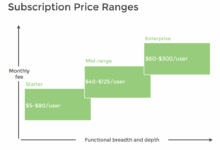
CRM software pricing models can vary, including subscription-based, per-user pricing, or one-time licensing fees. It is essential to compare the pricing models of different CRM software options to find the most cost-effective solution that fits within the budget of the business while meeting its requirements and expectations.
Significance of Data Security Features in CRM Software Selection
Data security is a critical aspect of CRM software selection, especially when dealing with sensitive customer information. Look for CRM software that offers robust data encryption, secure access controls, regular data backups, and compliance with data protection regulations to ensure the privacy and security of customer data.
Exploration of Customization Options in CRM Software for Unique Business Requirements
Customization options in CRM software allow businesses to tailor the software to their unique processes, workflows, and requirements. Look for CRM software that offers flexibility in customizing fields, layouts, reports, and automation rules to align with the specific needs and goals of the business, ultimately optimizing the efficiency and effectiveness of CRM operations.
Implementation of CRM Software
Implementing CRM software effectively is crucial for maximizing its benefits and ensuring a smooth transition for your organization. Below are the steps involved in implementing CRM software, common challenges faced, and best practices for successful deployment.
Steps for Implementing CRM Software
- Define Objectives: Clearly outline the goals and objectives you aim to achieve with CRM software implementation.
- Choose the Right CRM Solution: Select a CRM software that aligns with your business needs and processes.
- Training and Education: Provide comprehensive training to all users to ensure they understand how to use the CRM effectively.
- Data Migration: Transfer data from existing systems to the new CRM software without loss or corruption.
- Customization and Configuration: Tailor the CRM software to suit your specific business requirements.
- Testing and Quality Assurance: Conduct thorough testing to identify and rectify any issues before full deployment.
- Deployment: Roll out the CRM software gradually, starting with a pilot phase before full implementation.
- Monitoring and Evaluation: Continuously monitor the performance of the CRM software and gather feedback for improvement.
Common Challenges and Solutions
- Resistance to Change: Address resistance through effective communication, training, and involvement of key stakeholders.
- Poor Data Quality: Implement data cleansing strategies and regular data quality checks to maintain accurate information.
- Lack of User Adoption: Encourage user engagement, provide ongoing support, and highlight the benefits of using CRM software.
- Integration Issues: Ensure seamless integration with existing systems through proper planning and testing.
Best Practices for Successful CRM Software Deployment
- Executive Sponsorship: Secure support from senior management to drive the CRM implementation project.
- Clear Communication: Keep all stakeholders informed throughout the process to manage expectations and facilitate collaboration.
- Continuous Training: Offer regular training sessions to ensure users are proficient in using the CRM software.
- Regular Updates and Maintenance: Stay up-to-date with software updates and perform regular maintenance to keep the CRM system running smoothly.
CRM Software Integration
Integrating CRM software with other business systems is crucial for maximizing efficiency and improving overall operations. By connecting CRM with systems like marketing automation and ERP, businesses can streamline processes, enhance data accuracy, and ultimately provide better customer experiences.
Benefits of CRM Software Integration
- Improved Data Accuracy: Integrating CRM software with other systems ensures data consistency across all platforms, reducing errors and duplication.
- Streamlined Processes: With integrated CRM software, businesses can automate tasks, eliminate manual data entry, and improve workflow efficiency.
- Enhanced Customer Insights: By combining CRM data with marketing automation and ERP systems, businesses can gain deeper insights into customer behavior and preferences.
Successful CRM Software Integration Examples
One successful integration example is the connection between CRM software and marketing automation tools. By combining these systems, businesses can track customer interactions from initial contact to conversion, enabling targeted and personalized marketing campaigns.
Another example is integrating CRM software with ERP systems to streamline order processing and inventory management. This integration improves data visibility and coordination between sales and operations teams, leading to faster order fulfillment and better customer satisfaction.
CRM Software Customization
Customizing CRM software to meet unique business requirements is crucial for maximizing its effectiveness. Tailored CRM solutions can significantly improve user adoption rates and overall operational efficiency.
Benefits of CRM Software Customization
- Personalized User Experience: Customized CRM software can be tailored to match specific user preferences and workflows, enhancing user satisfaction and productivity.
- Increased Efficiency: By eliminating unnecessary features and focusing on essential functionalities, customized CRM solutions streamline processes and boost operational efficiency.
- Improved Data Management: Customization allows businesses to structure and organize data according to their specific needs, leading to better data management and analysis.
Industries Benefiting from Customized CRM Software
Several industries benefit from highly customized CRM software to address their unique requirements:
- Real Estate: Customized CRM solutions for real estate agencies can include features like property listings, lead management, and client communication tools tailored to the industry’s needs.
- Healthcare: Healthcare providers can benefit from customized CRM software with patient management modules, appointment scheduling, and integration with electronic health records for improved patient care.
- Retail: Retail businesses can leverage customized CRM software with customer segmentation, loyalty program management, and inventory tracking features to enhance customer relationships and drive sales.
CRM Software Security
Data security is paramount when it comes to CRM software, as it involves handling sensitive customer information. Ensuring the security of this data is crucial to maintaining trust with customers and complying with data protection regulations.
Importance of Data Security
- Protecting customer information from data breaches and cyber attacks.
- Maintaining trust and credibility with customers.
- Adhering to data protection regulations and avoiding costly fines.
Common Security Risks and Mitigation
- Phishing attacks: Educate employees on recognizing and avoiding phishing attempts.
- Data breaches: Implement encryption to protect sensitive data.
- Unauthorized access: Use strong access controls and multi-factor authentication.
Ensuring Data Privacy and Compliance
- Regularly audit access controls and permissions to ensure compliance.
- Obtain consent for data processing and ensure data is used only for specified purposes.
- Train employees on data protection best practices.
Role of Encryption
- Encrypt sensitive data both at rest and in transit to prevent unauthorized access.
- Implement secure encryption algorithms and key management practices.
Importance of Software Updates
- Regularly update CRM software to patch security vulnerabilities.
- Stay informed about security updates from the CRM software provider.
Access Control Measures
- Implement role-based access controls to limit access to sensitive data.
- Use multi-factor authentication to verify the identity of users.
Training and Support for CRM Software
Effective training and ongoing support are crucial elements in ensuring the successful implementation and utilization of CRM software within an organization. Training employees on how to use CRM software effectively can lead to increased productivity, improved customer relationships, and enhanced data management.
The Role of Ongoing Support and Maintenance
Ongoing support and maintenance play a key role in maximizing the benefits of CRM software. Regular updates, troubleshooting assistance, and access to technical support can help address any issues that may arise and ensure that the software continues to meet the needs of the organization.
Tips for Selecting a CRM Software Vendor
When choosing a CRM software vendor, it is important to consider the training and support services they offer. Look for vendors that provide comprehensive training programs, access to user guides and tutorials, and responsive customer support. A vendor that prioritizes training and support can help ensure a smooth implementation process and ongoing success with the software.
Comparison Table of CRM Software Training Programs
| Vendor | Training Programs Offered | Key Features |
|——–|—————————|————–|
| Vendor A | On-site training sessions, online tutorials | Interactive modules, certification programs |
| Vendor B | Virtual training webinars, user guides | Hands-on exercises, personalized training plans |
| Vendor C | Self-paced learning modules, live chat support | Knowledge assessments, role-based training |
Setting Up a Helpdesk or Support System
To enhance internal support for CRM software, consider setting up a helpdesk or support system within the software itself. Create a centralized hub for employees to access resources, submit tickets for assistance, and track the status of their inquiries. This can streamline the support process and improve overall user satisfaction.
Real-life Scenario: Company XYZ implemented a thorough training program for its employees when adopting a new CRM software. As a result, employees quickly embraced the software, leading to a significant increase in data accuracy and customer satisfaction.
Case Studies and Success Stories
Implementing CRM software can have a transformative impact on businesses, enhancing customer relationships and driving growth. Let’s delve into some real-life case studies that showcase the success stories of businesses that have effectively integrated CRM solutions.
Business A: Overcoming Customer Data Silos
- Business A, a mid-sized retail company, faced challenges with fragmented customer data across various departments.
- By implementing a comprehensive CRM software, they were able to centralize customer information, leading to a more personalized approach to customer interactions.
- As a result, Business A saw a significant increase in customer satisfaction and retention rates.
Business B: Boosting Sales Performance
- Business B, a tech startup, struggled with inefficient sales processes and missed opportunities for upselling.
- With the adoption of CRM software tailored to their needs, they streamlined their sales pipeline and automated key tasks.
- This optimization resulted in a 30% increase in sales revenue within the first year of CRM implementation.
Impact of CRM Software on Business Growth
- Statistics reveal that businesses experience an average of 29% increase in sales revenue after implementing CRM software.
- Customer retention rates also show a notable improvement, with a 26% increase on average post-CRM integration.
- Overall profitability sees a positive shift, with businesses reporting up to a 35% boost in ROI attributed to CRM software utilization.
Key Features Driving Success in CRM Implementation
- Customizable dashboards for real-time insights
- Automated marketing campaigns for targeted engagement
- Integrated analytics for data-driven decision-making
Future Trends in CRM Software
As technology continues to evolve, the future of CRM software is being shaped by emerging trends that aim to enhance customer relationship management. Businesses need to stay informed about these trends to leverage them effectively and stay ahead in the competitive market.
AI-driven Analytics in CRM Software
- Artificial Intelligence (AI) is revolutionizing CRM software by enabling advanced analytics to predict customer behavior and preferences.
- AI-driven analytics can provide valuable insights for personalized marketing strategies and improved customer engagement.
- Businesses can utilize AI to automate tasks, streamline processes, and make data-driven decisions for better customer relationships.
Predictive Lead Scoring in CRM Software
- Predictive lead scoring is a trend in CRM software that uses AI algorithms to predict the likelihood of a lead converting into a customer.
- By analyzing data and customer interactions, predictive lead scoring helps businesses prioritize leads and focus on those with the highest conversion potential.
- This trend enables sales teams to optimize their efforts, increase conversion rates, and drive revenue growth more effectively.
Comparison of Top CRM Software Providers
When considering the top CRM software providers, it is essential to compare and contrast their features, pricing, and customer reviews to determine the best fit for your business needs. Below, we will highlight the strengths and weaknesses of each CRM software provider and provide recommendations based on specific requirements and budgets.
Salesforce
Salesforce is a leading CRM software provider known for its robust features, including lead management, contact management, reporting tools, and extensive integration options. Customer support is also top-notch. However, the pricing can be on the higher end, making it more suitable for mid-sized companies and large enterprises.
HubSpot CRM
HubSpot CRM offers a user-friendly interface with features like lead scoring, email tracking, and ad management. It is more affordable than Salesforce, making it a great option for small businesses. However, it may lack some advanced features needed by larger companies.
Zoho CRM
Zoho CRM is known for its scalability, offering options for businesses of all sizes. It provides features such as workflow automation, analytics, and social media integration. The pricing is competitive, making it a good choice for small to mid-sized companies.
Microsoft Dynamics 365
Microsoft Dynamics 365 is a comprehensive CRM solution that integrates seamlessly with other Microsoft products. It offers advanced AI capabilities, customization options, and strong customer support. However, the pricing can be complex and may not be cost-effective for smaller businesses.
Comparison Table
| CRM Software Provider | Lead Management | Contact Management | Reporting Tools | Integration Options | Customer Support |
|---|---|---|---|---|---|
| Salesforce | ✔️ | ✔️ | ✔️ | ✔️ | ✔️ |
| HubSpot CRM | ✔️ | ✔️ | ✔️ | ✔️ | ✔️ |
| Zoho CRM | ✔️ | ✔️ | ✔️ | ✔️ | ✔️ |
| Microsoft Dynamics 365 | ✔️ | ✔️ | ✔️ | ✔️ | ✔️ |
Pricing Plans and Scalability
When comparing CRM software providers, it is crucial to consider the scalability of the system and the pricing plans offered. Salesforce and Microsoft Dynamics 365 are more suitable for mid-sized companies and large enterprises due to their advanced features and higher pricing. On the other hand, HubSpot CRM and Zoho CRM are great options for small to mid-sized businesses with their affordable pricing and user-friendly interfaces.
Data Migration Guide
If you are considering migrating data from an existing CRM system to a new one, it is essential to follow a step-by-step guide to ensure a smooth transition. Each CRM software provider may have specific requirements and tools for data migration, so be sure to consult their documentation or customer support for assistance.
Best Practices for Maximizing ROI with CRM Software
Implementing CRM software can be a significant investment for businesses, so it’s essential to maximize the return on investment (ROI) by employing best practices. Here are some tips and strategies to help businesses get the most out of their CRM software:
Personalized Customer Interactions
- Utilize customer data to personalize interactions and tailor communication to individual preferences.
- Implement automated marketing campaigns based on customer behavior and interests.
- Segment customers to provide targeted offers and promotions that resonate with their needs.
Key Metrics Tracking
- Monitor customer acquisition costs and lifetime value to assess the effectiveness of CRM strategies.
- Track conversion rates, customer retention rates, and customer satisfaction scores to gauge CRM performance.
- Analyze sales pipeline data to identify areas for improvement and optimize sales processes.
Integration with Other Tools
- Integrate CRM software with marketing automation tools to streamline lead generation and nurturing.
- Sync CRM data with accounting and inventory management systems for a holistic view of customer interactions.
- Connect CRM software with customer service platforms to ensure seamless communication and support across all touchpoints.
Conclusion and Final Thoughts
After exploring the various aspects of CRM software, it is evident that choosing the best CRM solution is crucial for the success of any business. The right CRM software can streamline operations, improve customer relationships, and boost overall efficiency.
Recommendations for Implementation
- Invest time in researching and evaluating different CRM software options to find the one that aligns best with your business goals and requirements.
- Ensure proper training and support for your team to effectively implement and utilize the CRM software.
- Consider the scalability of the CRM software to accommodate future growth and changes in your business.
Overcoming Challenges
- Anticipate resistance to change within your organization and implement a change management strategy to address it.
- Communicate the benefits of CRM software implementation to all stakeholders to gain their support and buy-in.
- Regularly assess and address any issues that arise during the implementation process to ensure a smooth transition.
Cloud-Based vs. On-Premise Solutions
Cloud-based CRM software offers the advantage of accessibility from anywhere with an internet connection, while on-premise solutions provide greater control over data security and customization. Consider your business needs and priorities when choosing between the two options.
Data Security and Protection
- Choose a CRM software provider with robust security measures in place to safeguard your data against cyber threats and breaches.
- Implement data encryption, access controls, and regular data backups to enhance the security of your CRM system.
- Regularly update your CRM software and educate your team on data security best practices to minimize risks.
End of Discussion
In conclusion, choosing the best CRM software is crucial for business success in today’s competitive landscape. By leveraging the right CRM solution, companies can boost efficiency, drive growth, and foster lasting customer relationships.