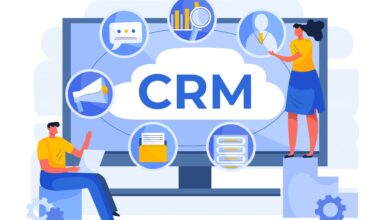
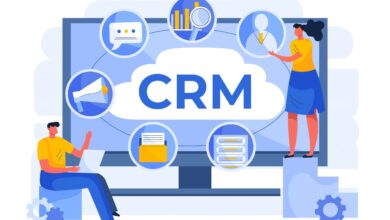
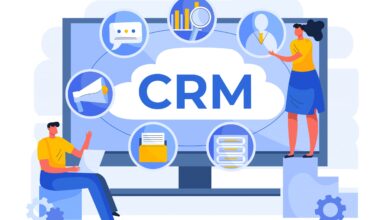
CRM for startups is a crucial tool for building and maintaining strong relationships with customers, ultimately driving business growth and success. This guide delves into the intricacies of CRM systems tailored specifically for startups, highlighting key features, benefits, and implementation strategies.
Overview of CRM for Startups
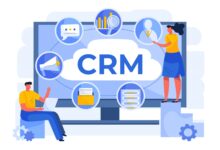
CRM, which stands for Customer Relationship Management, is a crucial tool for startups to effectively manage their interactions and relationships with customers. CRM systems help startups streamline their sales processes, improve customer service, and ultimately boost business growth by providing a centralized platform to store and manage customer data.


Benefits of Using CRM Software for Startups
- Improved Customer Relationships: CRM software allows startups to track customer interactions, preferences, and purchase history, enabling personalized communication and targeted marketing campaigns.
- Increased Efficiency: By automating repetitive tasks and workflows, CRM systems help startups save time and focus on core business activities.
- Enhanced Sales Performance: With access to real-time data and insights, startups can better understand customer needs, identify sales opportunities, and optimize their sales strategies.
- Data Centralization: CRM software provides startups with a centralized database to store all customer information, ensuring easy access and collaboration among team members.
- Scalability: As startups grow, CRM systems can scale accordingly to accommodate the increasing customer base and business operations.
Types of CRM Systems for Startups
When it comes to choosing a CRM system for your startup, there are two main options to consider: cloud-based CRM systems and on-premise solutions. Each type has its own set of advantages and considerations that can impact your startup’s operations and growth.
Cloud-based CRM Systems vs. On-Premise Solutions
Cloud-based CRM systems are hosted on remote servers and accessed through the internet, offering flexibility, scalability, and cost-effectiveness. On the other hand, on-premise solutions involve hosting the CRM software on your own servers, providing more control over data security and customization.
Features of CRM Systems for Startups
- Lead and contact management
- Sales pipeline tracking
- Marketing automation
- Customer service and support
- Reporting and analytics
Scalability of CRM Systems for Startups
CRM systems tailored for startups should be able to grow along with your business. Scalability ensures that the system can handle increased data volume, user numbers, and integrations as your startup expands.
Cost Differences between Cloud-based CRM and On-Premise Solutions
Cloud-based CRM systems typically have lower initial setup costs and maintenance fees compared to on-premise solutions. However, hidden expenses such as data migration, customization, and additional user licenses should also be considered.
Importance of Integration Capabilities
Integration capabilities are crucial when choosing a CRM system for a startup. The system should seamlessly sync with other essential tools like email marketing platforms, accounting software, and e-commerce platforms to streamline operations and improve productivity.
| Top 5 Cloud-based CRM Systems | Key Features | Pricing Structures | Customer Support Options |
|---|---|---|---|
| 1. Salesforce | Customizable dashboards, automation tools | Subscription-based pricing | 24/7 phone and email support |
| 2. HubSpot CRM | Lead scoring, email tracking | Free for basic features, tiered pricing for advanced features | Knowledge base, community forum |
| 3. Zoho CRM | Sales forecasting, social media integration | Flexible pricing plans | Email and phone support |
| 4. Pipedrive | Visual sales pipeline, activity reminders | Monthly subscription plans | 24/7 email support |
| 5. Freshworks CRM | AI-powered lead scoring, built-in phone | Freemium model with paid plans | 24/7 live chat and email support |
| Top 5 On-Premise CRM Solutions | Key Features | Pricing Structures | Customer Support Options |
|---|---|---|---|
| 1. Microsoft Dynamics 365 | Customizable workflows, business intelligence | Licensing fees based on user roles | 24/7 online support |
| 2. Oracle CRM | Advanced analytics, marketing automation | Custom pricing based on features | Phone and email support |
| 3. SAP CRM | Real-time data analytics, customer segmentation | Subscription-based pricing | Online knowledge base |
| 4. SugarCRM | Mobile access, campaign management | Annual subscription plans | Email and phone support |
| 5. Insightly | Project management, email tracking | Subscription-based pricing | Online chat and email support |
Implementing CRM for Startups
Implementing a CRM system for a startup can be a game-changer in terms of managing customer relationships effectively. Here are the steps involved in implementing a CRM system for a startup:
Steps for Implementing CRM for Startups:
- Assess Your Needs: Before choosing a CRM software, identify your specific business requirements and goals.
- Choose the Right CRM Software: Research and select a CRM system that aligns with your startup’s needs and budget.
- Customize and Configure: Tailor the CRM software to match your business processes and workflows for optimal efficiency.
- Integrate with Existing Systems: Ensure seamless integration with other tools and platforms used by your startup for a unified approach.
- Train Your Team: Provide comprehensive training to your team members to ensure they can effectively use the CRM system.
- Monitor and Evaluate: Continuously monitor the CRM system’s performance and gather feedback to make necessary improvements.
Tips for Choosing the Right CRM Software for Startups:
- Consider Scalability: Choose a CRM system that can grow with your startup and accommodate future expansion.
- Look for User-Friendly Interface: Opt for a CRM software that is intuitive and easy to use for your team members.
- Check for Mobile Compatibility: Ensure the CRM system is accessible on mobile devices for flexibility and convenience.
- Evaluate Customer Support: Select a CRM vendor that offers reliable customer support to assist you during and after implementation.
- Think about Data Security: Prioritize data security and compliance features to protect sensitive customer information.
Common Challenges Faced by Startups during CRM Implementation and How to Overcome Them:
- Lack of Proper Planning: Create a detailed implementation plan with clear objectives and timelines to stay on track.
- Resistance to Change: Communicate the benefits of the CRM system to your team and provide training to address any concerns or doubts.
- Data Migration Issues: Ensure a smooth transition of data by cleaning and organizing existing data before importing it into the CRM system.
- Limited Budget: Explore affordable CRM solutions that offer essential features for startups without compromising on quality.
Customizing CRM for Startup Needs
Customizing CRM systems is crucial for startups to align the software with their specific workflows and requirements. By tailoring CRM software, startups can maximize efficiency and productivity, ultimately improving their overall performance.
Importance of Customization
Customizing CRM software for startups allows for tailored solutions that cater to the unique needs of the business. It ensures that the CRM system aligns perfectly with the startup’s workflow, resulting in optimized processes and enhanced user experience.
Examples of Customization
- Creating custom fields to capture specific data relevant to the startup
- Developing personalized reports and dashboards for better insights
- Integrating third-party applications to streamline operations
Impact of Customization
Customizing CRM systems can significantly impact startups by improving efficiency, boosting productivity, and enhancing customer relationships. By aligning the CRM software with the startup’s unique workflow, customization can lead to better decision-making and overall business growth.
Assessing Workflow and Requirements
Prior to customizing a CRM system, startups need to assess their workflow and requirements. This involves identifying key processes, data points, and user needs to ensure that the customization aligns perfectly with the business goals.
Features and Functionalities for Customization
- Adjusting user permissions and access levels
- Customizing workflows and automation processes
- Tailoring notifications and alerts to specific actions
Comparison with Off-the-Shelf CRM Solutions
Customized CRM systems offer startups greater flexibility, scalability, and performance compared to off-the-shelf solutions. While off-the-shelf options may be more cost-effective initially, customized CRM software can adapt to the evolving needs of a growing startup, providing long-term benefits and a competitive edge.
Integrating CRM with Other Tools
Integrating CRM systems with other tools like marketing automation software can significantly enhance the overall functionality and efficiency of startups. By combining these technologies, startups can streamline their processes, improve customer interactions, and drive business growth.
Benefits of Integration
- Increased data accuracy and consistency across platforms.
- Automated lead generation and nurturing processes.
- Enhanced customer segmentation and personalized marketing campaigns.
- Improved collaboration between sales, marketing, and customer support teams.
Popular Integrations
- HubSpot CRM integrated with HubSpot Marketing Hub for seamless lead management.
- Salesforce CRM integrated with Pardot for advanced marketing automation capabilities.
- Zoho CRM integrated with Zoho Campaigns for targeted email marketing campaigns.
Best Practices for Integration
- Define clear objectives and goals for the integration process.
- Ensure compatibility and smooth data flow between systems.
- Train teams on how to use integrated tools effectively.
Key Considerations
- Scalability and flexibility of integrated systems.
- Data security and compliance with regulations.
- Cross-platform compatibility and ease of integration.
Setting up Integrations
- Choose compatible tools based on startup needs and goals.
- Configure API connections between CRM and marketing automation software.
- Map out data fields for seamless information transfer.
- Test integrations thoroughly to ensure proper functionality.
Comparison of Integration Options
While some integrations offer out-of-the-box solutions, others may require custom development to meet specific requirements. Startups should evaluate the cost, complexity, and benefits of each integration option before implementation.
Case Study: Successful Implementation
In a startup setting, Company X integrated their CRM system with marketing automation software to automate lead nurturing and personalized email campaigns. This integration resulted in a 30% increase in lead conversion rates and a 20% reduction in customer acquisition costs within the first quarter of implementation.
Data Management in CRM for Startups
Data management plays a crucial role in CRM systems for startups as it involves the collection, organization, and utilization of customer data to improve business operations and customer relationships. It helps startups to streamline their processes, personalize customer interactions, and make informed decisions based on data insights.
Maintaining Data Accuracy and Integrity
Startups can implement the following strategies to ensure data accuracy and integrity within their CRM platform:
- Regularly update and clean data to remove duplicates, errors, and outdated information.
- Implement data validation rules to ensure that only accurate and complete information is entered into the system.
- Train employees on the importance of data quality and provide guidelines for data entry and management.
- Utilize automation tools to reduce manual errors and improve data consistency.
Leveraging CRM Data for Decision-Making and Customer Insights
Startups can leverage CRM data in the following ways to make better decisions and gain valuable customer insights:
- Analyze customer behavior patterns to identify trends and preferences, allowing for targeted marketing campaigns.
- Track key performance indicators (KPIs) to measure the effectiveness of sales and marketing strategies, and make data-driven decisions for improvement.
- Segment customer data to personalize communication and offerings, increasing customer satisfaction and loyalty.
- Use predictive analytics to forecast customer needs and behaviors, enabling proactive engagement and service delivery.
Customer Segmentation and Targeting
Customer segmentation is crucial for startups using CRM as it allows them to effectively target and tailor their marketing strategies to different customer groups. By segmenting customers based on demographics, behavior, and preferences, startups can create personalized experiences that drive customer engagement and loyalty.
Utilizing CRM Data for Customer Segmentation
- Start by collecting relevant customer data through CRM systems, including age, gender, location, purchase history, and interaction with your brand.
- Segment customers into groups based on their similarities, such as age range, buying patterns, or engagement levels.
- Create detailed customer profiles for each segment, outlining their preferences, interests, and needs.
Implementing Targeted Marketing Strategies
- Utilize CRM data to send personalized messages, offers, and recommendations to specific customer segments.
- Design targeted marketing campaigns that resonate with each segment’s unique characteristics and preferences.
- Track the effectiveness of your campaigns through CRM analytics to refine your targeting strategies over time.
Benefits of Personalized Marketing Campaigns
- Improved Customer Engagement: By delivering relevant content to each customer segment, startups can increase engagement and build stronger relationships with their audience.
- Enhanced Customer Loyalty: Personalized marketing campaigns show customers that you understand their needs, leading to increased loyalty and repeat business.
- Higher Conversion Rates: Targeted marketing strategies based on customer segmentation are more likely to convert leads into customers, driving revenue growth for startups.
Automating Workflows with CRM
Automating workflows with CRM software can greatly benefit startups by streamlining processes, saving time, and improving overall efficiency. By automating repetitive tasks, startups can focus on more strategic and value-added activities, ultimately leading to increased productivity and cost savings.
Examples of Workflows that can be Automated
- Lead Management: Automatically assign leads to sales representatives based on predefined criteria such as location, industry, or lead score.
- Follow-up Emails: Set up automated email sequences to nurture leads and engage with customers at different stages of the sales funnel.
- Customer Onboarding: Automate the onboarding process for new customers by sending welcome emails, providing access to resources, and scheduling introductory calls.
Cost Savings and Productivity Gains
Automating workflows in CRM systems can lead to significant cost savings and productivity gains for startups. By reducing manual intervention and human error, startups can operate more efficiently and effectively. Additionally, automating repetitive tasks frees up valuable time for employees to focus on higher-value activities, such as building relationships with customers and driving business growth.
Analyzing Customer Interactions
Understanding and analyzing customer interactions within CRM systems is crucial for startups to build and maintain strong relationships with their customers. By tracking and analyzing customer engagement data, startups can gain valuable insights to tailor their services and offerings to meet customer needs effectively.
Significance of Analyzing Customer Interactions
- By analyzing customer interactions, startups can identify patterns and trends in customer behavior, preferences, and feedback.
- This analysis helps startups in personalizing their communication and marketing strategies to better engage with customers.
- Startups can also use the data from customer interactions to improve their products or services based on customer feedback.
Tracking and Analyzing Customer Engagement Data
- Startups can track customer interactions through various channels such as email, social media, website visits, and customer support interactions.
- Utilizing CRM tools, startups can consolidate this data to create a unified view of each customer’s journey and touchpoints.
- Analyzing customer engagement data allows startups to measure the effectiveness of their marketing campaigns and customer service efforts.
Key Metrics for Monitoring Customer Interactions
-
Customer Lifetime Value (CLV):
This metric helps startups understand the total revenue a customer is expected to generate throughout their relationship with the business.
-
Customer Churn Rate:
Monitoring the churn rate can indicate how many customers are leaving the business and help identify areas for improvement in customer retention strategies.
-
Net Promoter Score (NPS):
NPS measures customer loyalty and satisfaction, providing insights into how likely customers are to recommend the startup to others.
Mobile CRM for Startup Mobility
Mobile CRM applications offer numerous benefits for startups with remote or mobile teams. These solutions can enhance accessibility, productivity, and efficiency for employees on the go.
Benefits of Mobile CRM for Startups
- Improved accessibility and real-time data access for remote teams.
- Enhanced productivity through quick updates and customer interactions on the go.
- Increased flexibility and responsiveness to customer needs.
Choosing the Right Mobile CRM Platform
- Consider the scalability and customization options of the platform.
- Look for seamless integration with existing tools and systems.
- Evaluate user-friendly interfaces and mobile app compatibility.
Key Features of Mobile CRM Applications
- Offline access to data for remote areas or areas with poor connectivity.
- Geolocation tracking for optimized route planning and customer visits.
- Mobile notifications for timely follow-ups and task reminders.
Comparing Mobile CRM Platforms
- Platform A: Offers advanced reporting and analytics features for in-depth insights.
- Platform B: Focuses on seamless integration with popular project management tools.
- Platform C: Provides customizable dashboards for personalized user experience.
Successful Implementation of Mobile CRM
- Startup X integrated a mobile CRM solution, leading to a 30% increase in sales efficiency.
- Startup Y saw a 20% reduction in response time after adopting a mobile CRM platform.
Integrating Mobile CRM into Workflow
- Educate employees on the benefits and features of the new mobile CRM system.
- Provide training sessions and ongoing support for seamless adoption.
- Monitor and analyze the impact of mobile CRM on operations and make necessary adjustments.
Training and Support for CRM Adoption
Training and support programs play a crucial role in the successful implementation of CRM systems within startups. These programs help employees understand the software’s functionality and best practices, leading to improved utilization and effectiveness.
Importance of Training for Startup Employees
- Training helps employees familiarize themselves with the CRM software, reducing the learning curve and increasing productivity.
- Proper training ensures that employees use the CRM system efficiently, maximizing its benefits for the startup.
- Training also boosts employee confidence in utilizing the CRM tools, leading to better customer interactions and relationship management.
Best Practices for Training Startup Employees
- Provide hands-on training sessions tailored to different roles within the startup to ensure relevance and effectiveness.
- Offer continuous training opportunities to keep employees updated on new features and functionalities of the CRM system.
- Create training materials such as manuals, videos, and guides for easy reference and ongoing learning.
Role of Ongoing Support in CRM Adoption
- Ongoing support is essential for addressing any issues or challenges that may arise during the implementation and usage of the CRM system.
- Support programs help employees troubleshoot problems, customize the CRM software to meet specific needs, and ensure smooth operations.
- Regular support and feedback sessions enable startups to optimize their CRM usage, leading to improved customer satisfaction and business growth.
Security and Compliance in CRM Systems
Data security and compliance are crucial aspects for startups utilizing CRM systems to manage customer information. Ensuring the protection of sensitive data and compliance with regulations is essential to maintain trust and integrity in the business operations.
Importance of Data Security and Compliance
- Startups need to prioritize data security to safeguard customer information from unauthorized access or breaches.
- Compliance with regulations such as GDPR or HIPAA is necessary to avoid legal repercussions and maintain ethical standards.
Implementing Security Measures
- Startups can implement role-based access control to restrict data access only to authorized personnel.
- Regularly updating CRM software and conducting security audits can help identify and address vulnerabilities proactively.
Common Security Threats and Mitigation
- Phishing attacks, malware, and insider threats are common risks that CRM systems face.
- Startups can mitigate these risks by providing cybersecurity training to employees and using encryption techniques to protect data.
Regular Security Audits
- Startups should schedule periodic security audits to assess the effectiveness of security measures in place.
- Identifying and addressing security gaps promptly can prevent potential data breaches.
Encryption Techniques and Best Practices
- Implementing end-to-end encryption and data masking can enhance data protection within CRM systems.
- Startups should follow encryption best practices to ensure the confidentiality and integrity of customer data.
Compliance Standards Comparison
- Startups need to understand the specific requirements of compliance standards like GDPR and HIPAA to meet regulatory obligations.
- Each compliance standard has unique guidelines for data protection and privacy that startups must adhere to.
Learning from Data Breaches
- Studying past data breaches in CRM systems can help startups learn from mistakes and improve their security protocols.
- Analyzing the root causes of breaches can guide startups in enhancing their data protection strategies and preventing future incidents.
Evaluating CRM Performance for Startups
When it comes to evaluating the performance of a CRM system for startups, it is crucial to identify key performance indicators (KPIs) that can provide valuable insights into the effectiveness of the system. By tracking these KPIs, startups can measure customer satisfaction, retention rates, and sales performance, which are essential for business growth and success.
Key Performance Indicators for CRM Evaluation
Startups should track the following essential KPIs to evaluate the performance of their CRM system:
| KPI | Description |
|---|---|
| Customer Acquisition Cost | The cost incurred to acquire a new customer, which helps in assessing the efficiency of marketing and sales efforts. |
| Customer Lifetime Value | The total revenue a customer is expected to generate throughout their relationship with the company, indicating the long-term value of customers. |
| Conversion Rates | The percentage of leads or prospects that convert into paying customers, reflecting the effectiveness of sales and marketing strategies. |
| Customer Churn Rate | The rate at which customers stop doing business with the company, highlighting customer dissatisfaction and retention challenges. |
| Customer Satisfaction Score | A metric that measures customer happiness and loyalty, providing insights into the quality of products and services offered. |
Optimizing CRM Performance for Startups
Startups can optimize their CRM performance by analyzing data using data analytics tools to extract meaningful insights. By focusing on segmentation, trend analysis, and predictive modeling, startups can gain valuable information to enhance customer relationships, improve sales strategies, and drive business growth.
Comparison of CRM Platforms for Startups
It is essential for startups to compare different CRM platforms based on their features, pricing structures, and scalability options. By evaluating platforms such as Salesforce, HubSpot, Zoho CRM, and others, startups can make an informed decision on selecting the most suitable CRM system that aligns with their business needs and objectives.
Future Trends in CRM for Startups
In the fast-paced world of startups, staying ahead of the competition is crucial. As technology continues to evolve, it’s essential for startups to keep up with the latest trends in CRM to effectively manage customer relationships. Let’s explore some emerging trends in CRM technology that could benefit startups in the future and how advancements like artificial intelligence and machine learning are shaping the future of CRM for startups.
Artificial Intelligence and Machine Learning Integration
Artificial intelligence (AI) and machine learning are revolutionizing the way startups approach customer relationship management. By analyzing large amounts of data, AI can provide valuable insights into customer behavior, preferences, and trends. Machine learning algorithms can help startups automate processes, personalize customer interactions, and predict future customer needs. Integrating AI and machine learning into CRM systems can enhance efficiency, productivity, and customer satisfaction.
Omni-Channel Integration
In the future, startups will need to focus on providing a seamless customer experience across multiple channels. Omni-channel integration allows startups to engage with customers through various touchpoints such as social media, email, websites, and mobile apps. By unifying customer interactions and data from different channels, startups can deliver personalized and consistent experiences, ultimately building stronger relationships with customers.
Blockchain Technology for Data Security
As data security becomes increasingly important, startups are turning to blockchain technology to secure customer information and transactions. By using decentralized and encrypted systems, startups can ensure the integrity and confidentiality of customer data. Blockchain technology can also improve transparency and trust between startups and customers, ultimately enhancing the overall customer experience.
Voice-Activated CRM Systems
With the rise of voice-activated devices like smart speakers and virtual assistants, startups can leverage this technology to streamline CRM processes. Voice-activated CRM systems allow startups to access customer information, schedule tasks, and make updates using voice commands. This hands-free approach can increase productivity, efficiency, and convenience for startups managing customer relationships.
Closure
From customizing CRM solutions to integrating with other tools and analyzing customer interactions, this guide equips startups with the knowledge and insights needed to leverage CRM effectively for sustainable growth. By prioritizing customer relationships and data management, startups can unlock their full potential and thrive in today’s competitive market.